COMPUTER EMBROIDERY CENTRE
"Atlas D" private enterprise - all range of computer machine embroidery

Machine cross-stitch embroidery

Cross-stitch is one of the oldest and most widely recognized embroidery techniques in the world.

“Machine cross‑stitch embroidery.

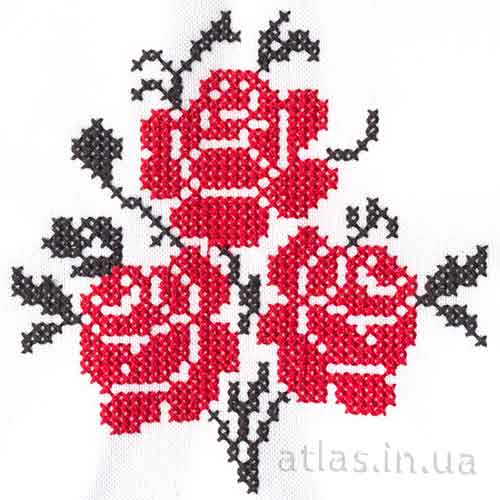
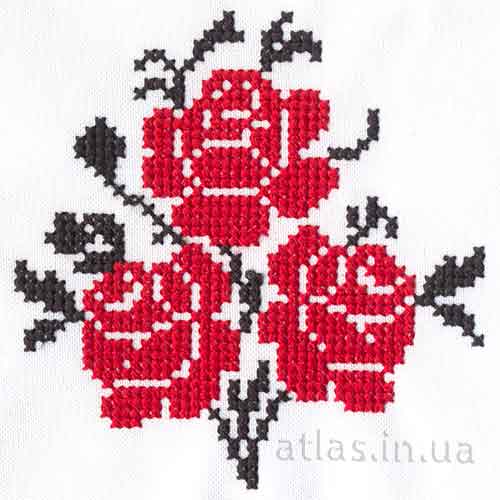
Handmade cross-stitch embroidery is a traditional art form found in the cultures of many nations. With a history spanning hundreds of years, it has been passed down from generation to generation and remains one of the world's most popular embroidery techniques.

Traditional ukrainian patterns are closely assosiated with cross-stitch embroidery.

In the 21st century, in the age of computers and the Internet, handmade cross-stitch embroidery remains a favorite hobby for talented crafters and embroidery enthusiasts around the world.

By choosing the right thread and cross-stitch size, machine embroidery can closely replicate the appearance of handmade cross-stitch.

Computerized machine cross-stitch embroidery accurately replicates the appearance of traditional handmade cross-stitch, combining the beauty of classic embroidery with the speed, precision, and consistency of modern technology.

Machine embroidery has become an important innovation in the apparel industry, introducing new technologies for creating decorative patterns on clothing.

Today, cross-stitch embroidery is widely used in mass production. It can be combined with various embroidery techniques while maintaining the appearance and charm of traditional handmade embroidery.

Machine cross‑stitch embroidery

The difference between hand cross-stitch and machine embroidery

The main difference between hand cross-stitch and machine cross-stitch embroidery lies in the way the X-shaped stitches are formed. Hand cross-stitch is created using a single top thread, with each cross made from two diagonal stitches. In contrast, machine embroidery uses two threads—a top thread and a bobbin (under) thread—to create the design.

It is not possible for an embroidery machine to form X-shaped stitches in exactly the same way as hand embroidery using only a single top thread. Instead, a unique machine embroidery technique has been developed, in which each cross is created using a sequence of five stitches rather than two.

Although this method is more complex, modern embroidery machines can produce cross-stitch patterns much faster than even the most experienced hand embroiderer while maintaining a consistent, high-quality result.

Common Types of Cross-Stitch Embroidery

The stitch density depends on the designer's artistic vision. A pattern can be made denser by increasing the number of stitches or by reducing the size of each cross-stitch, allowing for finer detail and a richer appearance.

Reducing the size of a cross-stitch below 2 mm is generally not recommended, as the stitch can lose its characteristic X shape and the overall appearance of the pattern may be affected.
Machine cross‑stitch embroidery.

To create a denser embroidered pattern, cross-stitches can be embroidered in multiple layers.

Cross-stitch chart embroidery 2mm viscose thread

Cross-stitch embroidery (single)

viscose thread
single (two layers of thread)
cross-stitch embroidery chart 2mm viscose thread

Cross-stitch embroidery (double)

viscose thread
double (four layers of thread)
Cross-stitch embroidery chart 2mm viscose thread

Cross-stitch embroidery (triple)

viscose thread
triple (six layers of thread)

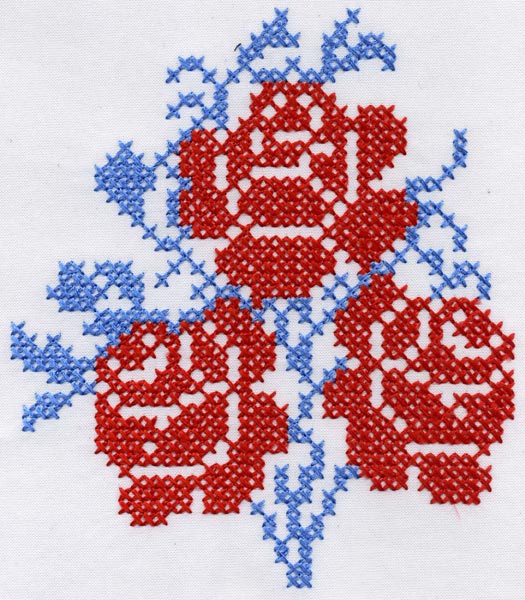
Single cross-stitch sample – 4,800 stitches. Thin thread was used, resulting in a finer but less vivid appearance.

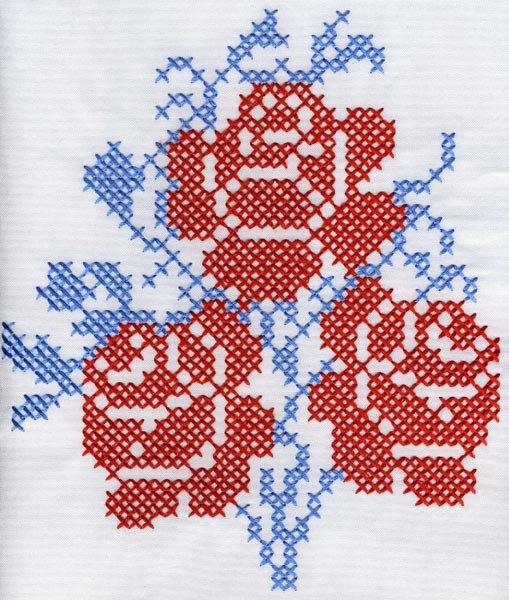
Double Cross-Stitch Sample – 7,900 stitches. Embroidered with standard thread, this option offers the perfect balance between appearance and cost. It is more detailed than the single cross-stitch version and more affordable than the triple cross-stitch option, making it an excellent value for most projects

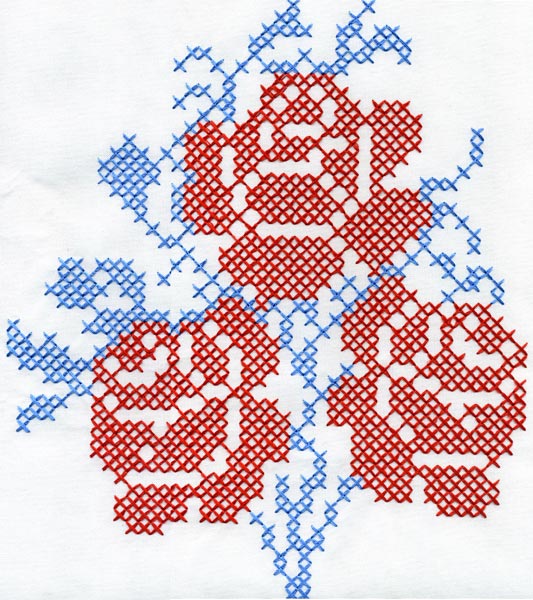
Triple Cross-Stitch Sample – 11,000 stitches.
Our premium option. The high stitch count creates a dense, beautifully detailed design with an authentic cross-stitch appearance. While it is the most expensive option, the final result is truly exceptional.

If you want to add more dimension and texture to your embroidery, consider using thicker threads—such as wool-acrylic or cotton-acrylic blends—instead of increasing the number of stitch layers. Thicker threads create a richer, more textured appearance while keeping the stitch count lower.
In computerised embroidery cross-stitch patterns with high quantity of layers is not efficient, because cross-stitches lose their shape and quality of look.

Cross-Stitch Variations

  • Single Cross (two thread layers) – Produces a lighter, more delicate appearance. For the best visual result, this option is recommended for designs with smaller cross-stitches.
  • Double Cross (four thread layers) – The most commonly used type of machine cross-stitch embroidery. It offers an excellent balance of appearance, quality, and cost, making it the preferred choice for most projects.
  • Triple Cross (six thread layers) – A premium option that creates a dense, rich, and highly realistic cross-stitch effect. Although it requires a higher stitch count and costs more, it delivers outstanding visual quality.
  • Quadruple Cross (eight thread layers) – This option is generally not used because of its high production cost and the excessive number of needle penetrations, which can weaken the fabric without providing significant visual improvement.

Cross-Stitch Samples in Different Sizes

Usual viscose thread №40 (120/2)
Cross-stitch embroidery chart 2mm viscose thread

Cross-stitch embroidery 2mm

viscose thread
Cross-stitch embroidery chart 3 mm viscose thread

Cross-stitch embroidery 3 mm

viscose thread
Cross-stitch embroidery chart 4 mm viscose thread

Cross-stitch embroidery 4 mm

viscose thread
Cross-stitch embroidery chart 5mm viscose thread

Cross-stitch embroidery 5mm

viscose thread

Beautiful pattern embroidered with premium-quality thick cotton thread.

Patterns Embroidered with Specialty Decorative Threads

Cotton thread №30
Cross-stitch embroidery chart 3mm  cotton thread

Cross-stitch embroidery 3mm

cotton thread
Cross-stitch embroidery chart 4mm  cotton thread

Cross-stitch embroidery 4mm

cotton thread
Cross-stitch embroidery chart 5mm  cotton thread

Cross-stitch embroidery 5mm

cotton thread
Cross-stitch embroidery chart 6mm  cotton thread

Cross-stitch embroidery 6mm

cotton thread

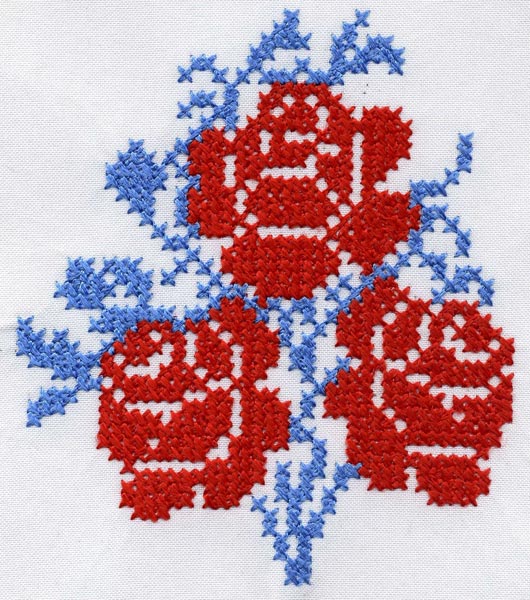
The pattern below is embroidered with a thicker thread:
Viscose thread №12
Cross-stitch embroidery chart  3mm viscose thread

Cross-stitch embroidery 3mm

viscose thread
Cross-stitch embroidery chart  4mm viscose thread

Cross-stitch embroidery 4mm

viscose thread
Cross-stitch embroidery chart  5mm viscose thread

Cross-stitch embroidery 5mm

viscose thread
Cross-stitch embroidery chart  6mm viscose thread

Cross-stitch embroidery 6mm

viscose thread

Using thick thread for a 2 mm cross-stitch is not recommended, as the stitches become too small to show the thread's texture effectively. However, thicker thread works exceptionally well with larger cross-stitches, up to 7 mm, provided your design allows for larger embroidered details.

Cross-stitch embroidery samples - cotton thread Gunold Cotty 30
cross-stitch embroidery thread Gunold Cotty 30

cross-stitch embroidery 1

thread Gunold Cotty 30
cross-stitch embroidery thread Gunold Cotty 30

cross-stitch embroidery 2

thread Gunold Cotty 30
cross-stitch embroidery thread Gunold Cotty 30

cross-stitch embroidery 3

thread Gunold Cotty 30

Using thick acrylic thread, such as Gunold Filaine, creates a distinctive handcrafted appearance with added texture and dimension. Although this type of thread produces outstanding visual results, it requires greater expertise and careful machine setup during the embroidery process.

The majority of embroidery machines are designed to use conventional embroidery threads, typically size 30 or 40, which provide reliable performance and consistent stitching quality.

Our company has developed an innovative embroidery technology that makes it possible to use thick decorative threads in computerized machine embroidery. We are proud to showcase the exceptional designs we have created using these premium specialty threads, achieving unique textures and a distinctive handcrafted appearance.

Cross-Stitch Embroidery Sample – Embroidered with Gunold Filaine 12 Thick Acrylic Thread

cross-stitch embroidery thick acrylic thread Gunold Fialine 12

cross-stitch embroidery 1

acrylic thread Gunold Fialine 12
cross-stitch embroidery thick acrylic thread Gunold Fialine 12

cross-stitch embroidery 2

acrylic thread Gunold Fialine 12
cross-stitch embroidery thick acrylic thread Gunold Fialine 12

cross-stitch embroidery 3

acrylic thread Gunold Fialine 12

This acrylic thread is an excellent choice for machine cross-stitch embroidery. It gives the design exceptional texture and depth, creating a striking three-dimensional effect that is difficult to achieve with standard embroidery threads. The finished embroidery closely resembles traditional handmade hand cross-stitch, combining the authentic look of hand stitching with the precision and consistency of computerized embroidery.

For the best appearance, this type of thread should be used with larger cross-stitches. A stitch size of 5–6 mm is ideal, providing excellent texture, definition, and a realistic handcrafted effect.

As mentioned earlier, working with specialty thick threads requires specific technical expertise and careful machine setup to achieve the best results.

Wool and cotton-acrylic threads are more expensive than standard embroidery threads. However, the overall embroidery cost may not be significantly higher because these thicker threads require a much lower stitch count to achieve the desired effect.

Our skilled and experienced team is committed to helping you achieve the best possible results. We'll be happy to assist you with every aspect of the embroidery process, from concept and design to production and delivery.

This page is in Russian Ukrainian Deutsch

Contacts Kyiv 9:00-18:00 MO-FR

✉ Department of exclusive orders This email address is being protected from spambots. You need JavaScript enabled to view it.

Computer Embroidery Center "Atlas D" private enterprise